Introduction
-
Many Kenyan households deal with spoilage, pests and contamination partly due to inadequate food storage.
-
Ziplock / resealable bags are increasingly used, but how safe are they, what best practices should consumers know?
The Science of Contamination & Spoilage
-
Moisture, oxygen, pests (insects, rodents) are prime causes of spoilage in grains, flours, spices etc.
-
Pathogens (moulds, bacteria) thrive when packaging is not airtight, clean or when reused improperly.
Benefits of Quality Ziplock / Resealable Bags
-
Airtight seals reduce oxygen and moisture ingress; keep food fresh longer.
-
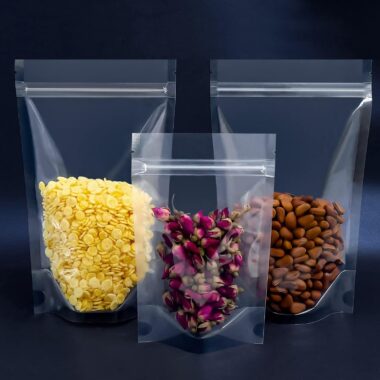
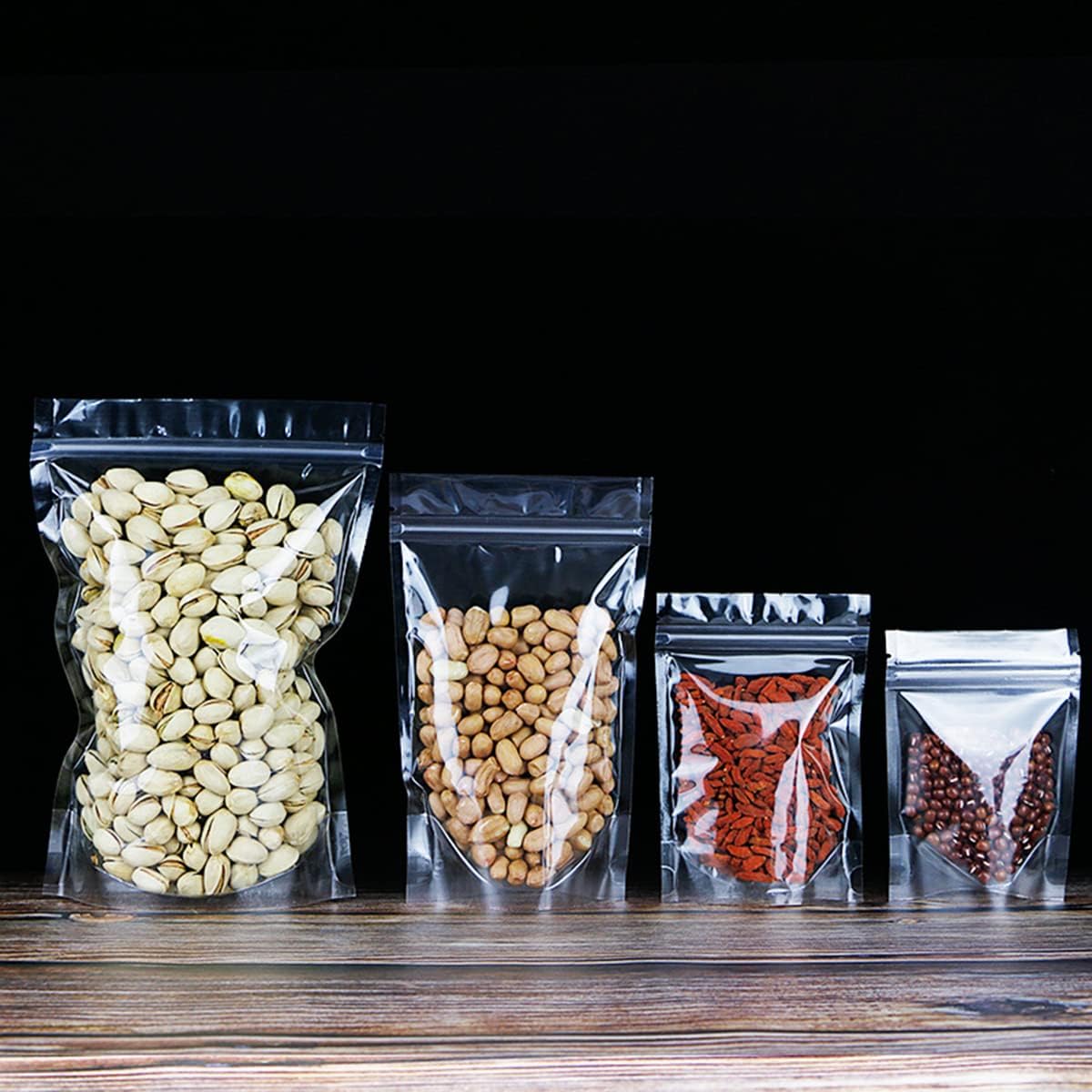
Transparent or windowed bags help users see spoilage early.
-
Food-grade materials avoid chemical leaching (unlike some low-quality plastic or unknown materials).
-
Resealable zip enables reuse, reducing cost and waste.
Challenges & Risks in Kenyan Context
-
Not all ziplock bags sold locally are truly food-grade; risk of harmful additives or contaminants.
-
Reuse without proper cleaning can introduce microbe build-up.
-
Heat exposure (sun, high ambient temperatures) degrades plastic; UV light in transparent bags can accelerate deterioration.
-
Disposal and environmental impact: single-use plastics remain under pressure from bans and waste management constraints.
Best Practices for Consumers
-
Always buy bags labelled “food-grade”, “BPA-free”, etc.
-
Choose thicker or reinforced zippers/ziplocks to maintain airtight seal.
-
Clean reusable bags properly (warm soapy water, drying fully).
-
Store away from direct sunlight; keep cool and dry.
-
Discard when seal is damaged or plastic becomes brittle.
Policy & Regulatory Environment
-
Kenya’s ban on plastic carrier bags since 2017; what is exempted and what is not. NEMA+2happyafricatours.com+2
-
How plastic packaging (like flat bags, ziplock bags) is regulated under NEMA’s licensing, labeling, waste management rules. The Eastleigh Voice News+2sustainabilitymea.com+2
Conclusion
-
Resealable ziplock bags, when properly selected and maintained, offer a cost-effective way to improve food safety.
-
Consumers, manufacturers, and regulators all have roles to play to ensure quality, safety, and environmental sustainability.