
Introduction
The explosion in single-use plastics and thin carrier bags has caused visible environmental problems in Kenya and the wider region (clogged drains, litter, pollution). The EastAfrican+2NEMA+2
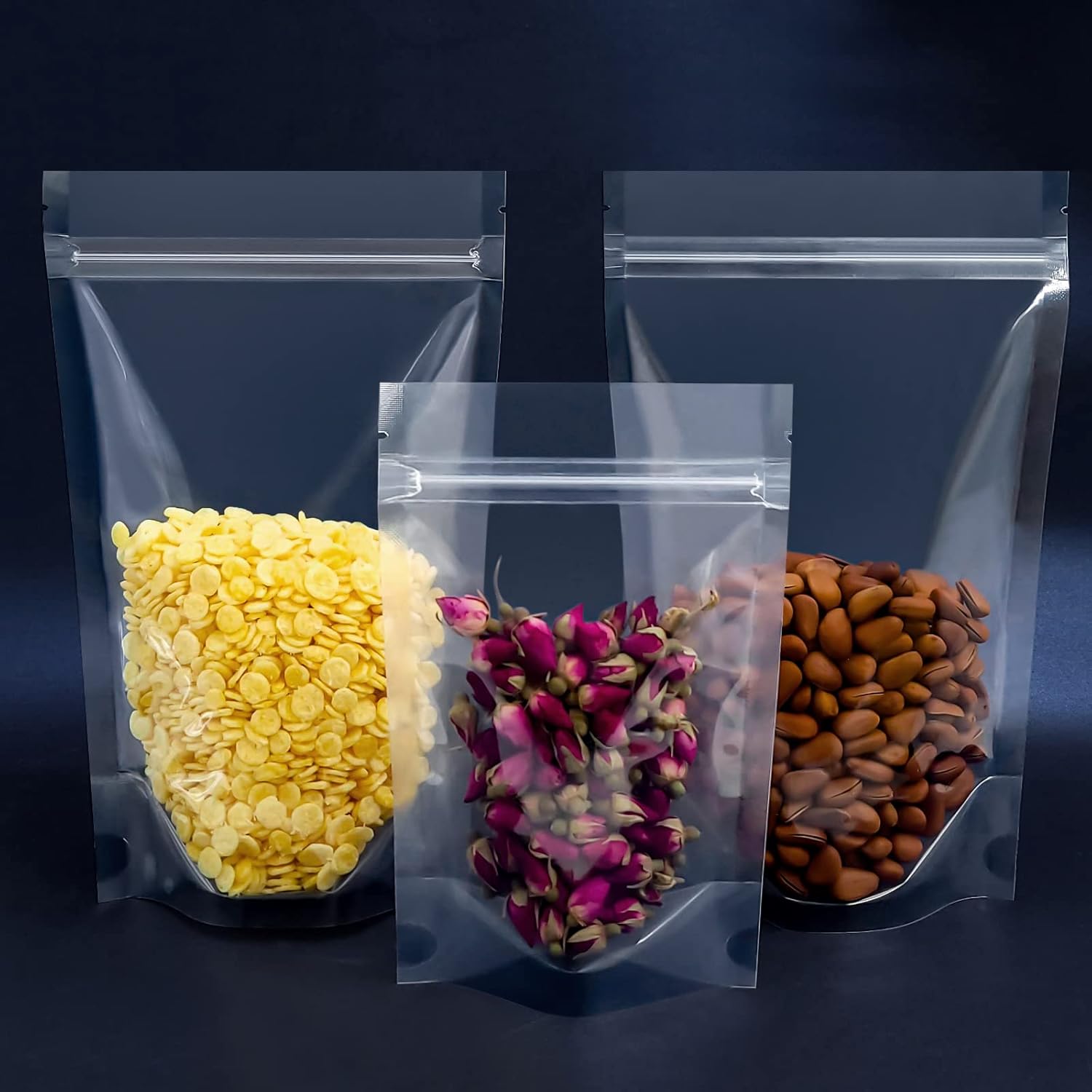
Ziplock / resealable bags occupy a grey area: reusable vs single use; beneficial vs harmful depending on quality and disposal.
Plastic Bans & Alternatives in East Africa
Overview of Kenya’s 2017 ban on plastic carrier bags and flat bags; what is included and what is exempt. NEMA+1
Other East African countries’ policies and public sentiment.
Demand for alternatives: paper, biodegradable plastics, laminated or composite materials.
Case Study: Local Manufacturers & Market Shifts
How Kenyan businesses are adapting: offering kraft, aluminium, non-plastics as packaging alternatives.
Consumer willingness to pay more for sustainable, safer packaging.
Examples: shops offering biodegradable or recyclable options; eco-friendly ziplock bags being marketed.
Environmental Impacts of Ziplock & Resealable Bags
If not properly disposed, even reusable ziplock bags contribute to microplastic pollution.
Challenge of recycling mixed-material bags.
Potential for reusability to offset environmental cost: the more times a bag is used, cleaned, reused, the lower its per-use impact.
Regulatory Framework & Enforcement
Role of NEMA (Kenya) in supervising or licensing plastic packaging materials. The Eastleigh Voice News+1
Labeling, material safety, producer responsibility.
Enforcement examples: crackdowns in Eldoret etc on banned plastic items. sustainabilitymea.com
Toward Sustainable Packaging Practices
Recommendations for manufacturers: use mono-material where possible; design for reuse; provide clear labeling.
For consumers: choose durable ziplocks; reuse, repair, recycle.
For governments: support incentive programs, enforce bans, promote public awareness.
Conclusion
Ziplock and resealable packaging can play a positive role if used responsibly in terms of environment and safety.
East Africa stands at a crossroads: policy, consumer behaviour, and innovation will decide whether packaging becomes part of the problem or part of the solution.

